
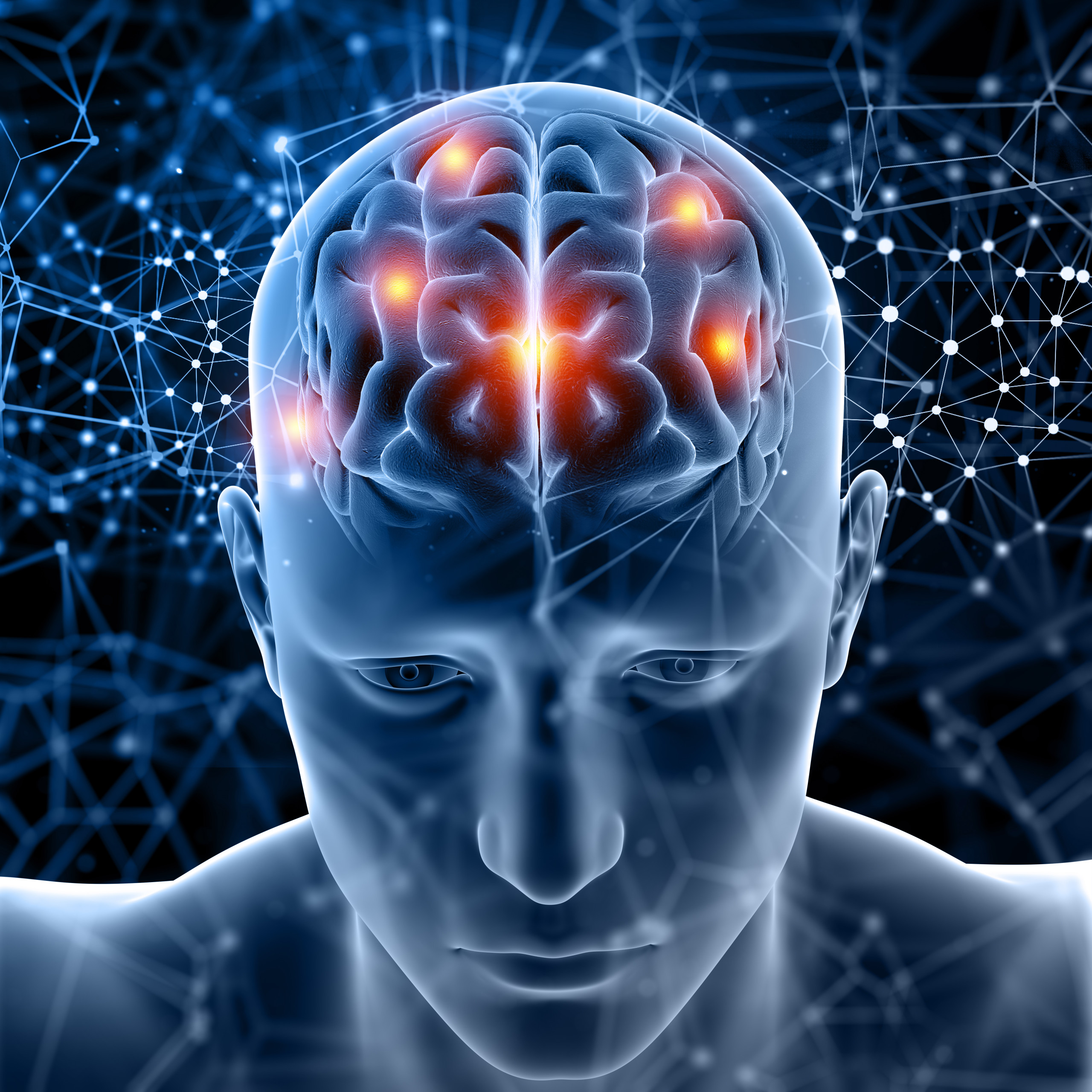
In today’s digital age, many people are obsessed with consuming media on screens. But there is increasing evidence from neuroscience that paper still holds a unique persuasive power over the human brain in ways that digital media simply can’t match.
Scientific studies have shown that documents and information printed on paper leave a deeper cognitive and emotional footprint in the human brain than those displayed on digital screens. This response is largely explained by the way paper engages multiple senses simultaneously—including sight, touch, and hearing—while digital media typically stimulates only one of these senses at a time.
One of the early studies on this topic, and one that fueled interest in further study, was “Using Neuroscience to Understand the Role of Direct Mail,” conducted by the U.K.’s Royal Mail in conjunction with Millward Brown. The study used Magnetic Resonance Imagery (MRI) to see how the brain reacts to physical and virtual stimuli.
The top-line results?
- Tangible materials leave a deeper footprint in the brain.
- Physical material involves more emotional processing, which is important for memory and brand associations.
- Physical materials produced more brain responses connected with internal feelings, suggesting greater “internalization” of the ads.
Differences in Information Processing
This fundamental difference in how our brains process information has far-reaching implications for everything from consumer behavior to education. For example, research in the area of childhood education shows that students learn better when they receive course materials on paper than when they are presented with the same information digitally. The tactile experience of handling printed documents helps them remember facts more easily and engage more deeply with complex concepts.
Similarly, consumers have been shown to respond more positively to marketing material that is printed on paper than digital advertising platforms like email and social media. One USPS study, conducted in conjunction with Temple University, found that physical ads triggered activity in the area of the brain responsible for value and desirability for featured products, which can signal a greater intent to purchase. It’s no wonder that, when marketers switch from digital to paper, they see increased brand awareness, increased sales, and higher ROI.
Greater Persuasive Power
For further insights into why this is, we can look to “A Bias for Action—The Neuroscience Behind the Response-Driving Power of Direct Mail” conducted by Canada Post/True Impact Marketing. This study used electroencephalography (EEG) and eye tracking to check the response of nearly 300 participants. The study focused on ease of understanding and persuasiveness, along with the time needed to absorb the message, created by print and digital channels.
The results?
- Direct mail takes 21% less thought to process and creates much higher brand recall. This means direct mail is easier to understand and more memorable than digital media.
- Direct mail results in a “motivation response” that is 20% higher than digital channels. This response is higher if the mailer appeals to senses beyond touch, such as smell and hearing. This makes direct mail far more persuasive than digital media.
- Our brains process direct mail more quickly than digital media. As a result, direct mail gets the message across faster. (The report notes that this is an important difference “in an era when goldfish have longer attention spans than the average human.”)
Conclusion? Direct mail is more likely to drive consumers to act on a marketing message than digital media.
Why Do Our Brains Love Paper?
So why does the brain prefer paper over digital media? There is no single answer to this question. Depending on the situation, different factors come into play. Some scientists believe that the tactile experience of handling printed documents activates areas of our brains responsible for spatial reasoning and memory recall. Others suggest that when we read offline, our minds are freed up to engage more deeply with what we’re reading because they aren’t simultaneously processing demands from other devices or tasks.
Whatever the reason may be, one thing is clear: For certain activities, the human brain responds better to paper than digital channels. This is why, even as technological innovations continue to shape how we consume information, the role of print media will remain one of marketers’ most important channels for communication.
Want to read more about the power of paper? Check out our blog post “How Do Today’s Buyers See Paper?”
Otherwise, if you are ready to take this knowledge and start putting it to use, let us brainstorm great sales ideas and put you in a position to start making calls. Contact your regional sales manager today!
Check out the rest of our blogs.
Newsletter Opt-In
Every two weeks, we will provide you with what we hope is valuable content that will help you run your business and make more profit. In our newsletter, you will receive product updates, educational blog alerts, and company news. You can unsubscribe at any time.