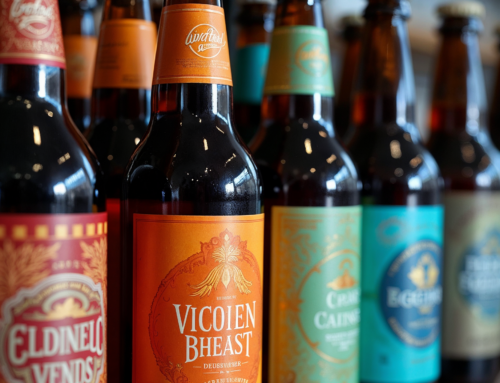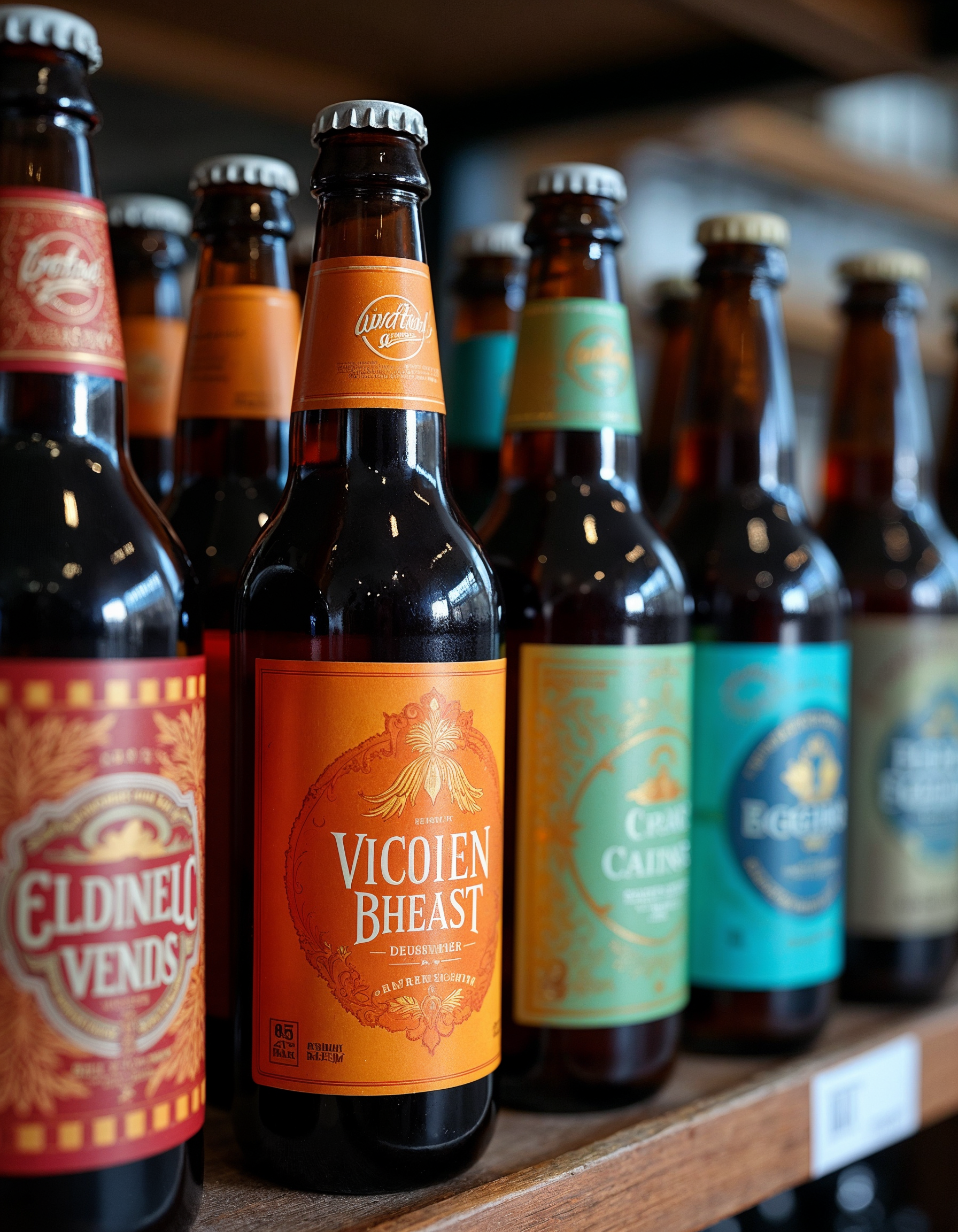
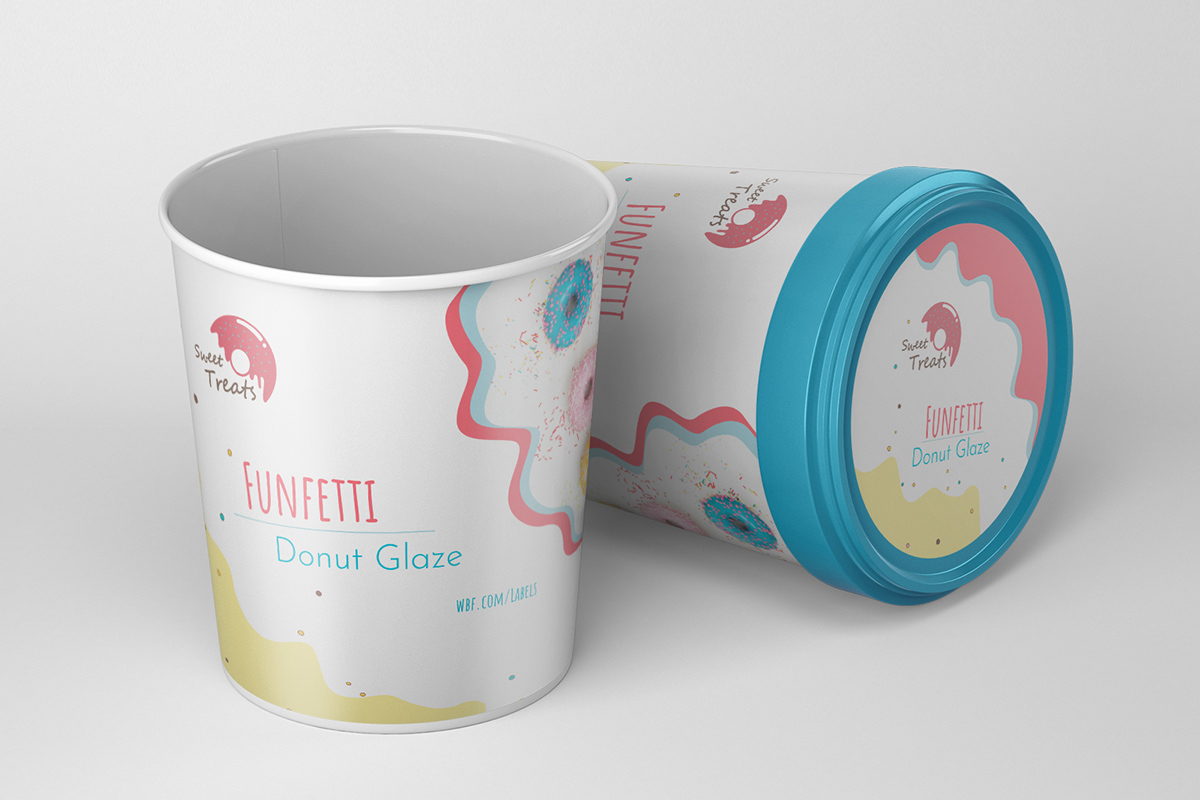
If you want labels to be fun, try selling into the food and beverage market. Food and beverage labels is a broad category that includes the colorful customer-facing labels you see on store shelves (prime labels), as well as the functional labels that offer product, nutritional, and allergen information (sometimes called product information or PI labels). They offer a little bit of everything.
Because “food and beverage” covers such a wide spectrum, it gives you access to multiple departments within an organization. Functional labels give you access to those on the operational side of the business, while prime labels give you access to the marketing department. As one of our sales team puts it, “If I’m selling product information labels to a client, I’m going after the prime label business, too!”
Food labels can be paper or synthetic (film or foil). Opaque or clear. Black-and-white or full brilliant color. They can be adhered to anything from folding cartons to metal cans and glass bottles, and even directly to the shiny red apples that get thrown into the bottom of the shopping basket. That’s why selling food labels is like walking across America — you get to see it all.
Prime Labels
Prime labels are the customer-facing labels that contain graphics and color. Although selling into the marketing department may be a new to many distributors, it opens a door to sales of a host of profitable new product lines, including direct mail, wide-format, and print collateral.
These labels can feature every aspect of creative design that captures the imagination, from eye-popping color, metallics, and gloss and matte coatings to metallics, foil stamping, die cutting, and embossing. Some are stunning art pieces, while others are simple and plain. Because prime labels are used for marketing and branding, selling them requires knowledge of four-color (plus) printing and associated techniques. While moving deeper into the world of commercial printing might sound daunting, remember that this investment opens doors to entirely new avenues of business.
Prime food and beverage labels also offer opportunities to upsell by adding interactivity. This might be a QR Code leading to a gluten-free bread recipe on a box of almond flour or a video showing how to slice vegetables for trout julienne. On the augmented reality (AR) side, it might be customer engagement experiences that allow wine labels to “come to life” with speaking characters, animations, or games. as part of the product story, such as QR Codes or AR experiences on wine labels that take shoppers on virtual tours of the vineyard where the grapes are grown.
_______________________________________________
During the 2021 Superbowl season, PepsiCo enticed shoppers to scan a QR Code on limited-edition Pepsi cans and unlock exclusive artist and show assets and augmented reality filters.
_________________________________________
Unlike other types of commercial printing, prime food and beverage labels have a wide range of considerations not part of the commercial world. The primary one is food safety. Food and beverage labels require food-safe inks, coatings, and adhesives if the ink could potentially come into contact with food. They may also need to withstand a wide range of environmental conditions, including extreme temperatures and moisture. For example, a paper label on a craft beer bottle is as likely to be at room temperature as it is submerged in a bucket of ice.
While you don’t need to be a label expert to sell food and beverage labels, you do need to be able to ask the right questions. What is the application? What will the label be adhered to? How long will it need to stay on? Is it designed to be removable?
Functional and Dual Function Labels
Functional labels are less sexy, without graphics or color, but they are important components of the food and beverage market, as well.
These are the labels you find on the backs of bottles or cans that contain information such as nutritional content, cooking directions, and storage information. These labels are generally very plain, printed in black-and-white, and if they have a QR Code, it’s generally for tracking purposes.
Some food and beverage labels serve a dual purpose, with the prime (customer-facing) aspect on the front of the label and the product information on the back. In this, they are both prime and functional labels.
Why Sell Food and Beverage Labels?
Why do you want to sell food and beverage labels?
- This is a vast market with great opportunity.
- This is a stable opportunity. No matter the economy, people have to eat, and food manufacturers have to meet governmental requirements.
- These labels offer variety in your sales basket.
- They offer doors into other areas of the customer’s business.
Wise Gives a Leg Up
When you work with Wise to produce a client’s food and beverage labels, you have a leg up over your competition.
With today’s supply chain issues, many of your competitors may not be able to secure the paper, film, or foil necessary to meet their customers’’ requirements on time. With our high levels of material allocation, we often have substrates when others don’t.
We also have decades of experience in R&D, so we know how to meet customer requirements for aesthetics, adhesion, and other properties without going through the “make mistakes and learn” process. Let other distributors’ customers learn by trial and error. Your customers don’t have to.
_______________________
See all of our labeling solutions here.
_______________________
Check out the rest of our blogs.
Newsletter Opt-In
Every two weeks, we will provide you with what we hope is valuable content that will help you run your business and make more profit. In our newsletter, you will receive product updates, educational blog alerts, and company news. You can unsubscribe at any time.