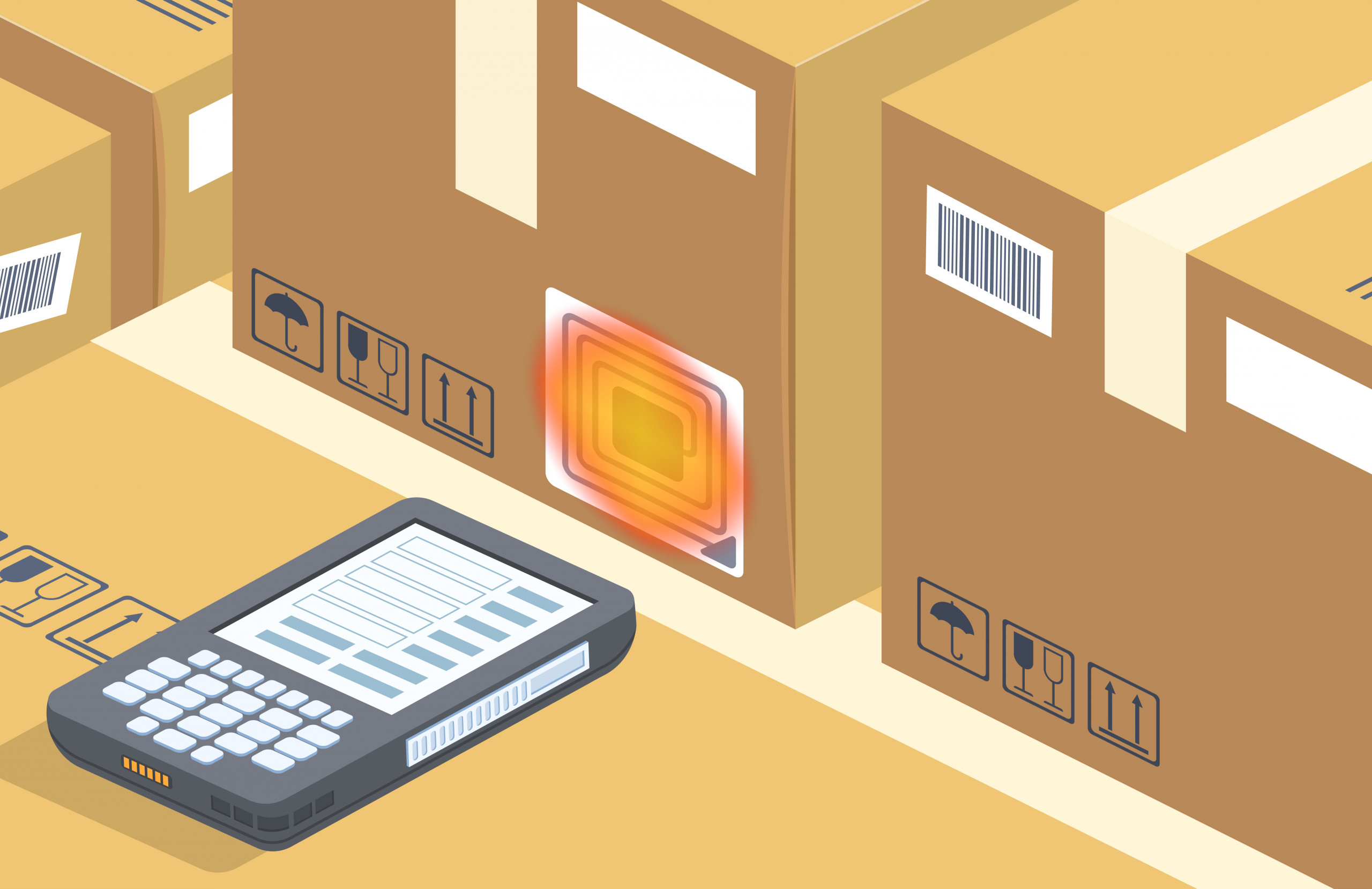
Want to sell products into one of the fastest growing tag and label markets out there? Turn your sights to RFID labels. RFID (radio-frequency identification) is a technology that uses radio waves to identify/detect people or objects. To provide an idea of the scale of this opportunity, the RFID market is projected to reach USD 35.6 billion by 2030 from USD 14.5 billion in 2022. Growth is forecast to be CAGR of 11.9% from 2022 to 2030.
What, exactly, is RFID? How do you explain it to potential customers?
What Is RFID and Why Does It Matter?
At its simplest, RFID is a technology that allows a product to be identified using a tag or label which transmits radio waves.
How does it work? RFID technology uses a tiny, built-in transmitter. This transmitter can be pre-programmed with data (product identification, date information, transaction data, etc.). Once the RFID tag or label is attached to a product or pallet, it emits a signal that contains the data. This signal can then be read from a distance. In effect, the product now identifies itself remotely. The need to visually see or physically contact the product in order to scan it or to identify it has been eliminated.
RFID labels are used on a wide variety of products, including:
- Clothing
- Electronics
- Food and beverage products
- Medical supplies
- Packages and parcels
Just to name a few.
In other words, RFID labels can be sold into pretty much any account into which you are selling forms or labels already.
Educating Accounts About the Benefits of RFID
As their trusted print and label partner, you have an opportunity to educate your clients about the value of RFID. This technology has highly practical uses that benefit just about every company in every market vertical into which you are already selling. So don’t miss this opportunity!
Some of these benefits include:
1. RFID Labels for Tracking Inventory
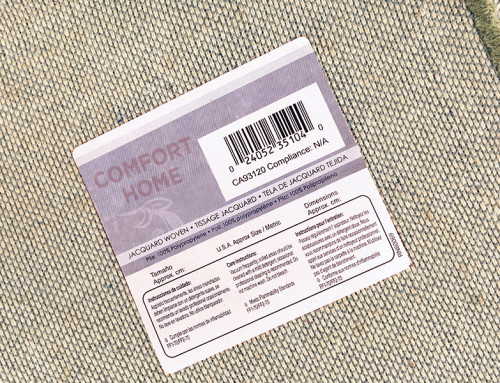
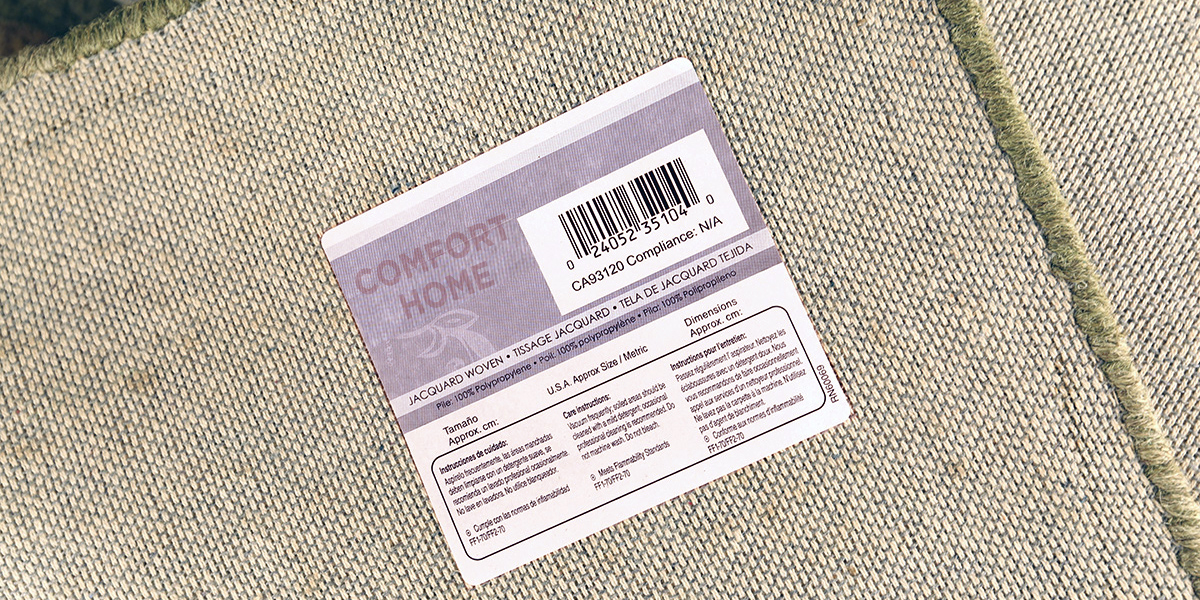
One of the most popular ways for companies to use RFID labels is for inventory management. Historically, barcodes have been used to track inventory, and while they are effective, they are not the ideal solution. Barcodes have limitations in that they must be scanned one at a time and require a line of sight to work properly. This can be time-consuming and error-prone.
High Frequency (HF) and especially Ultra High Frequency (UHF) readers are designed to read multiple RFID tags concurrently. This makes inventory management much more efficient. In addition, RFID labels can be read through many different materials, including paper, plastic, and metal. They do not have to be in a visible location to work properly.
UHF wavelengths also allow data to be transferred more quickly. Especially for applications such as shipping and receiving, volumes of product can be moved faster, saving time and money.
2. RFID Labels for Tracking Assets
RFID can be used for tracking assets, too. This can be done by attaching RFID tags to assets such as equipment, tools, and vehicles. This allows your customers to keep track of their assets and ensure that those assets are being used properly—again, saving them money.
3. RFID Labels for Reducing Theft
A third popular use for RFID labels is to reduce theft. When an RFID tag is attached to a product, it can be used to track the product’s location. This makes it more difficult for thieves (including companies’ own employees!) to steal products without being detected. In addition, RFID tags can be used to trigger alarms if a product is removed from its designated area. This helps to deter theft and makes it easier to catch thieves in the act.
4. RFID Labels for Automating Checkout
Automated checkout is another popular use for RFID labels. When RFID tags are attached to products, they can be read automatically at the point of sale. This eliminates the need for barcodes or other manual scanning methods at the checkout. In fact, according to Tech-Logic, RFID self-checkout is three to four times faster than barcode self-checkout because customers can process small stacks of items simultaneously on an RFID antenna.
Automated checkout has great promise for boosting profits for retail accounts as it has the potential to move more customers through the checkout process more quickly—and faster checkout means more sales. RFID is also more accurate than traditional methods.
Ready to Get Started?
In today’s world of increasingly complex logistics, it’s easy to see why the use of RFID is growing. If your clients sell products or have inventory (which is all of them), they can benefit from RFID tags.
Want to learn more about selling into this market? We’d be happy to find the right target companies and talk strategy!
Check out the rest of our blogs.
Newsletter Opt-In
Every two weeks, we will provide you with what we hope is valuable content that will help you run your business and make more profit. In our newsletter, you will receive product updates, educational blog alerts, and company news. You can unsubscribe at any time.