Want to know the lure of forged documents? Watch the classic film “Catch Me if You Can.” Set in the days before the widespread use of document security features, the movie tells the the story of Frank Abagnale (played by Leonardo DiCaprio), who is widely recognized as America’s greatest con artist, check forger, and imposter. Although Abagnale ultimately gets caught (and spends the rest of his career helping the U.S. government catch and companies protect themselves from forgers like him), that isn’t the case for most. It’s up to companies to create their own protections.
How can your customers do that? They can hire Abagnale himself, now a secure document consultant, or you can help them incorporate one (or, more likely, a combination) of secure document features. With a little extra effort, you can help your customers save thousands or even millions of dollars by protecting against unauthorized copying and document alteration.
Applications That Benefit from Document Security Features
There are a variety of applications that can benefit from secure document features. These include (but are not limited to):
- Prescription pads
- Checks
- College transcripts
- Coupons
- Certificates of deposit
- Insurance documents
- Titles of ownership
- Stocks and bonds
- Hospital records
- Tickets
How Document Security Helps
We normally associate document security with U.S. currency and checks, since the threat if these documents are copied is clear. But document security solves many other business pain points, as well.
Take coupons. Say a manufacturer is offering a high-value coupon by mail—perhaps $100 off a new video game. The manufacturer sends coupons to 500 select customers at a cost of $50,000. The video game is a hot commodity, and a scammer gets hold of one of these coupons. He replicates 1,000 of them and sells them to gamers for $25 each. The scammer then earns $25,000 for his labor, and the video game manufacturer is out $1 million in unplanned discounts.
The same type of risk applies to entertainers, theater venues, and sports teams. They can lose hundreds of thousands or millions of dollars every year in counterfeit tickets.
Lack of document security can have legal repercussions, as well. What happens if someone alters a hospital record as part of a medical malpractice suit? Or an insurance document as part of a claim? Even worse, imagine the danger if a scammer is able to sell counterfeit prescriptions or hide safety issues with a used car by removing a record of damage.
The financial market is bigger than just banks and credit unions. Every company has a financial department that has need for document security. Distributors should look at the “financial” market as a micro-vertical market within each one of a customer or prospect accounts, as well.
__________________________________________________
The financial market is bigger than just banks and credit unions. Every company has a financial department that has need for document security.
__________________________________________________
Two Approaches: On-Paper and In-Paper
For distributors, there are two types of document security features that you can offer your customers: on-paper and in-paper. Let’s take a look at both.
On-Paper Security Features
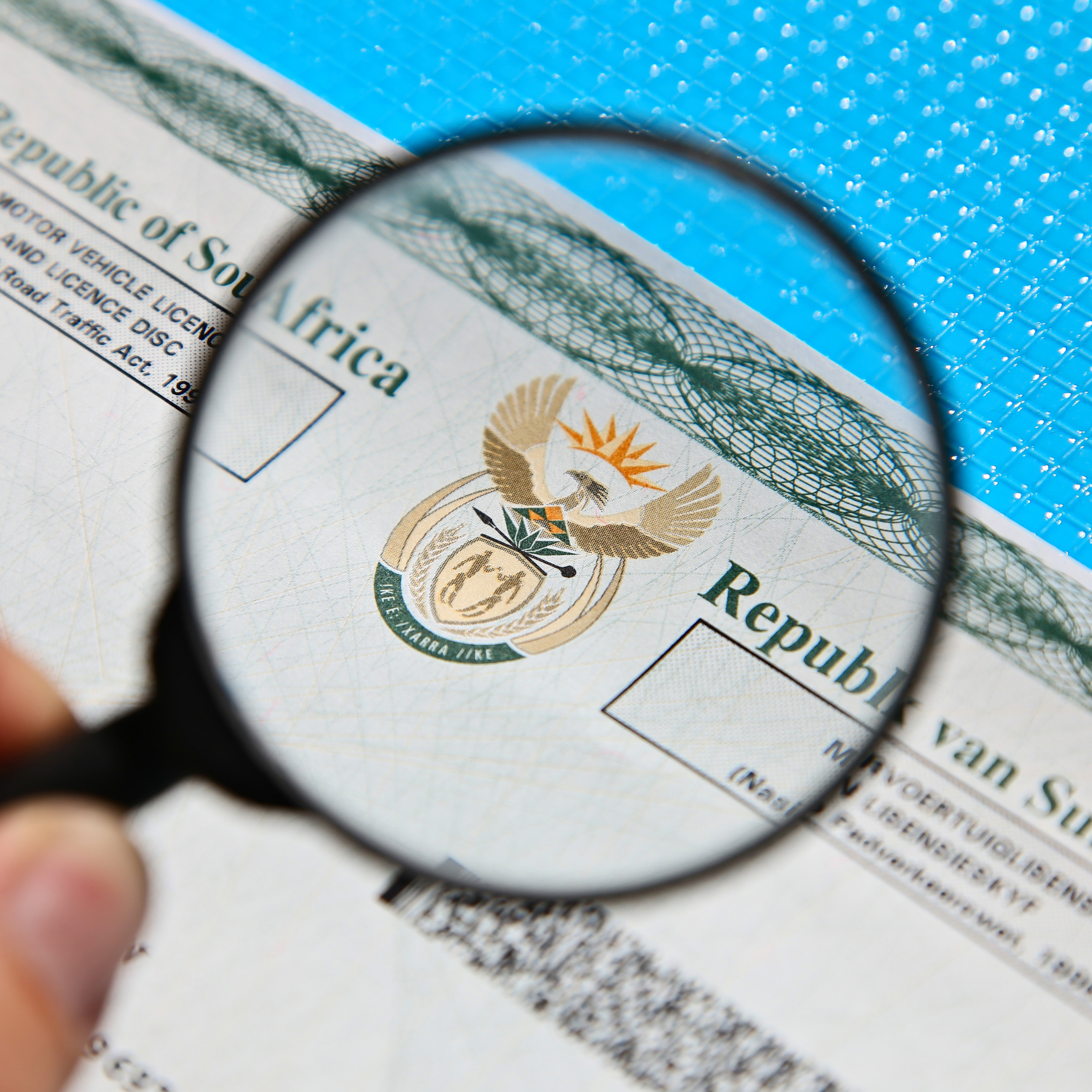
On-paper security features are those that are applied on top of the document. Options include:
- Microprinting, such as you see around the edge of dollar bills.
- Custom watermarks applied on top of the paper, including those that enable document authentication when rubbed with a coin or paper clip.
- Printloc®, an option that anchors the toner to the paper so that it cannot be lifted off.
- Heat-sensitive symbols (such as Rx) that change colors when rubbed or heated.
On-paper security features are applied in-house at one of our production plants.
In-Paper Security Features
In-paper security features are those that are built into the paper itself. Examples include:
- Invisible fibers, such as those that can only be seen under UV light.
- Chemical alteration indicators, including bleach and oxidizer reactivity, polar-class solvent reactivity, non-polar class solvent reactivity.
- True Fourdrinier Watermarks (watermarks pressed into the paper at the mill and visible from either side when held to the light).
- Invisible multi- language VOID pantograph (patterns in the background of a document that are revealed when a document is copied).
- Two-bar pattern with bleachable ink.
How to Sell Document Security Features
Document security offers tremendous opportunities to sell into high-value and high-volume accounts. Among the companies you can target are those that offer tickets or coupons, medical or legal documents, financial documents, and transcripts, as well as any company with a finance department.
How do you approach them? Start by researching the vertical market so you can come up with a plan.
Find answers to the following questions:
- Which documents are forged most often?
- How are they forged? (This will determine the security features needed to protect them.)
- When documents are forged, what is the financial loss that can occur?
- What are the safety and legal ramifications?
- Which specific document security features will protect against the types of alteration or forgery this vertical is experiencing?
Go in prepared. Ask if the company knows how much it is losing each year due to document forgery. If they don’t know, have examples of the losses experienced by similar companies or to the industry as a whole. Be ready to alert them to the problem and present a problem/solution scenario that shows the value that document security brings.
For a detailed description of the different types of document security features we offer at Wise, check out our document security page here.
Check out the rest of our blogs.
Image by wirestock on Freepik
Newsletter Opt-In
Every two weeks, we will provide you with what we hope is valuable content that will help you run your business and make more profit. In our newsletter, you will receive product updates, educational blog alerts, and company news. You can unsubscribe at any time.