Quick! Name a type of customer that doesn’t need barcode labels.
We’re waiting…
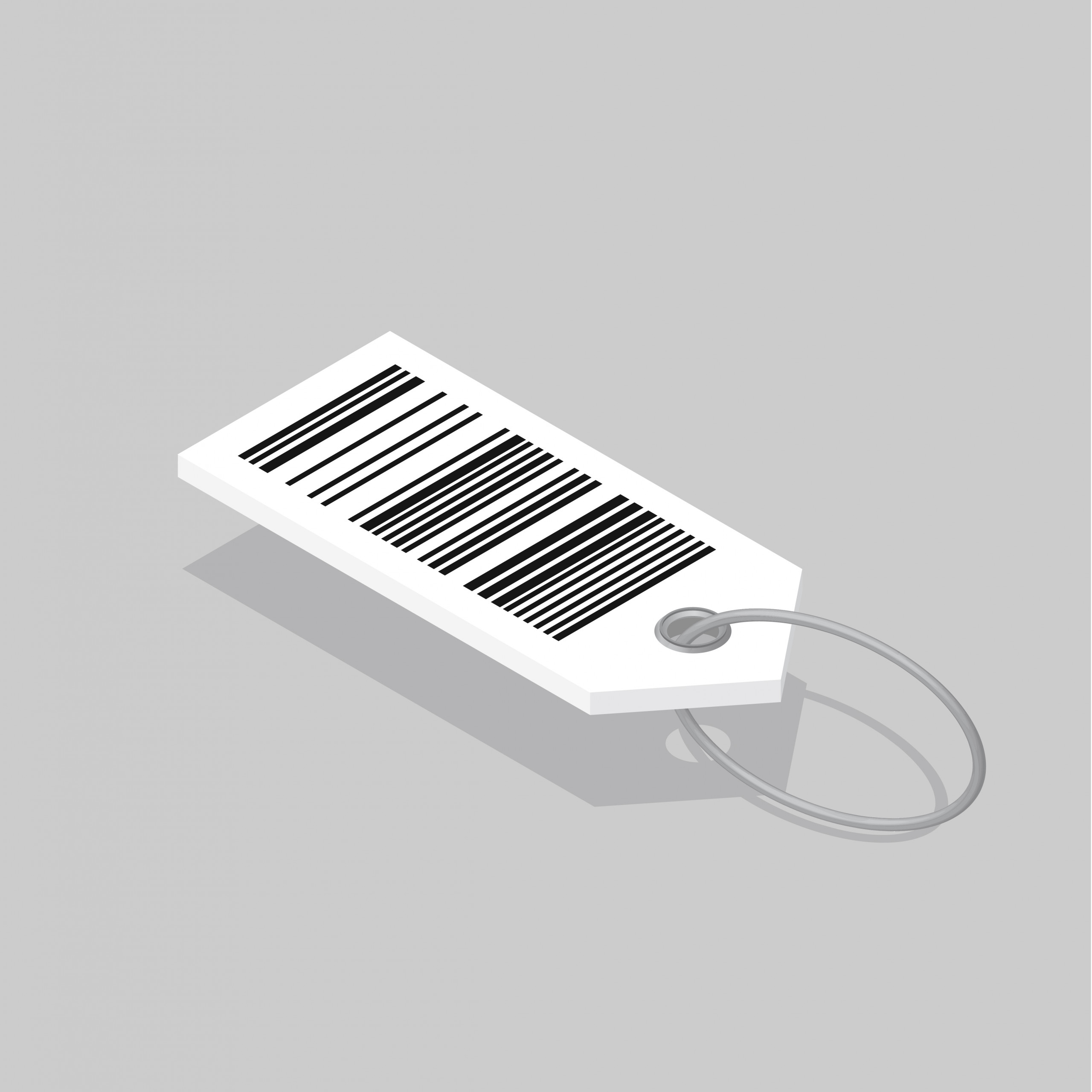
Don’t worry. If you couldn’t come up with an answer to this question quickly, it’s not surprising. Nearly every customer needs barcode labels, whether for identification, pricing, or inventory. But not all barcode labels are the same. If you’re new to selling these products, there are some basics you’ll need to know.
Barcode Symbologies
Barcode labels come in many different shapes and sizes. They can also be encoded with a variety of symbologies. Some of the more common symbologies include UPC, EAN, and Code 128.
UPC barcodes are used mainly in the United States and Canada. They are 12 digits long and can encode product information such as the manufacturer, product type, product ID, and price.
EAN barcodes are used mainly in Europe. They are 13 digits long and can encode the same information as UPC barcodes.
Code 128 barcodes are variable-length barcodes that are used worldwide. They are so-named because they can represent all 128 ASCII code characters (numbers, upper case/lower case letters, symbols and control codes), which makes them ideal for encoding more detailed product information such as product descriptions and SKUs.
GS1-128 barcodes (formerly known as UCC/EAN-128) are a subset of Code 128. They are used extensively in shipping and packaging as product identification codes for the container and pallet levels in the supply chain.
Wise can help you determine what type of barcode will best suit your application.
Industries that Use Barcode Labels
While most of us associate barcodes with retail purchases, there are many other uses for barcodes that make them applicable to nearly any industry. Because if something needs to be tracked, whether people or products, it needs a barcode.
As just a few examples:
Retail: Identifying products, pricing, and purchases of retail items.
Office: Recording transactions.
Healthcare: Organizing patient identification (medical history, drug allergies) and medication management (ensuring correct dosage and treatment).
Travel: Ticketing and check-in, baggage scanning, and access to restricted locations, such as VIP lounges.
Libraries: Checking books in/out.
Logistics and inventory management: Tracking inventory levels, and production and shipping originations and destinations.
Inventory management: Providing detailed inventory levels to help prevent stockouts and overages and ensure that customers are always stocked with the products they need.
Serialized and Non-Serialized Barcodes
Barcodes can be further classified into two types: serialized and nonserialized.
Non-serialized barcodes are static (non-changing). With non-serialized barcodes, the same barcode is applied to every product. Every tube of lipstick has the same barcode with the same pricing and identifying information. So does every carton of eggs. Non-serialized barcodes serve to speed product identification and checkout and to manage inventory.
Serialized barcodes follow a numeric sequence so that each product or asset has a unique code without duplication. Serialized barcodes are used primarily when expensive inventory requires tracking and tracing. Other applications include when products may need ownership or warranty verification (such as automobiles) or have the potential for recall. Serialized barcodes are used when your customers need to monitor inventory down to the smallest detail.
Full-Service Production Vs. In-House Printing
For customers who want a full-service barcode label production, Wise can print and ship preprinted barcode labels as needed. If customers want to save money by printing their barcodes in-house, we can design a custom package that contains a printer, ribbons, labels, and software so everything works together flawlessly.
While barcode labels may be fairly straightforward products, they are an important category for distributors because of their ubiquity. If there are accounts into which you aren’t selling barcode labels, it’s likely not because they don’t need them, but rather that you haven’t gone after them . . . yet. So leave no stone unturned.
For customers who need an even higher level of tracking and tracing, including real-time inventory management, RFID labels may be the right solution. For more on RFID labels, click here.
Ready to get started with barcode labels? Contact us!
Check out the rest of our blogs.
Newsletter Opt-In
Every two weeks, we will provide you with what we hope is valuable content that will help you run your business and make more profit. In our newsletter, you will receive product updates, educational blog alerts, and company news. You can unsubscribe at any time.