If you’ve been around labels for a while, you know that hazardous communication labels can be great business. Once you win this business, these products are sticky and repeatable. This makes them highly profitable. Sell into these accounts and the products repeat with little or no change. They just bring in revenue month after month, year after year.
Hazardous communication labels are used to communicate the hazards of a product or material to employees or anyone around the drums or other containers that house them. “Hazardous communication” is often shortened to “HazCom,” so we call these HazCom labels.
Know the Terms
If you are new to HazCom labels, there are multiple sub-categories and terms that can be confusing. Let’s take a look.
Drum Labels
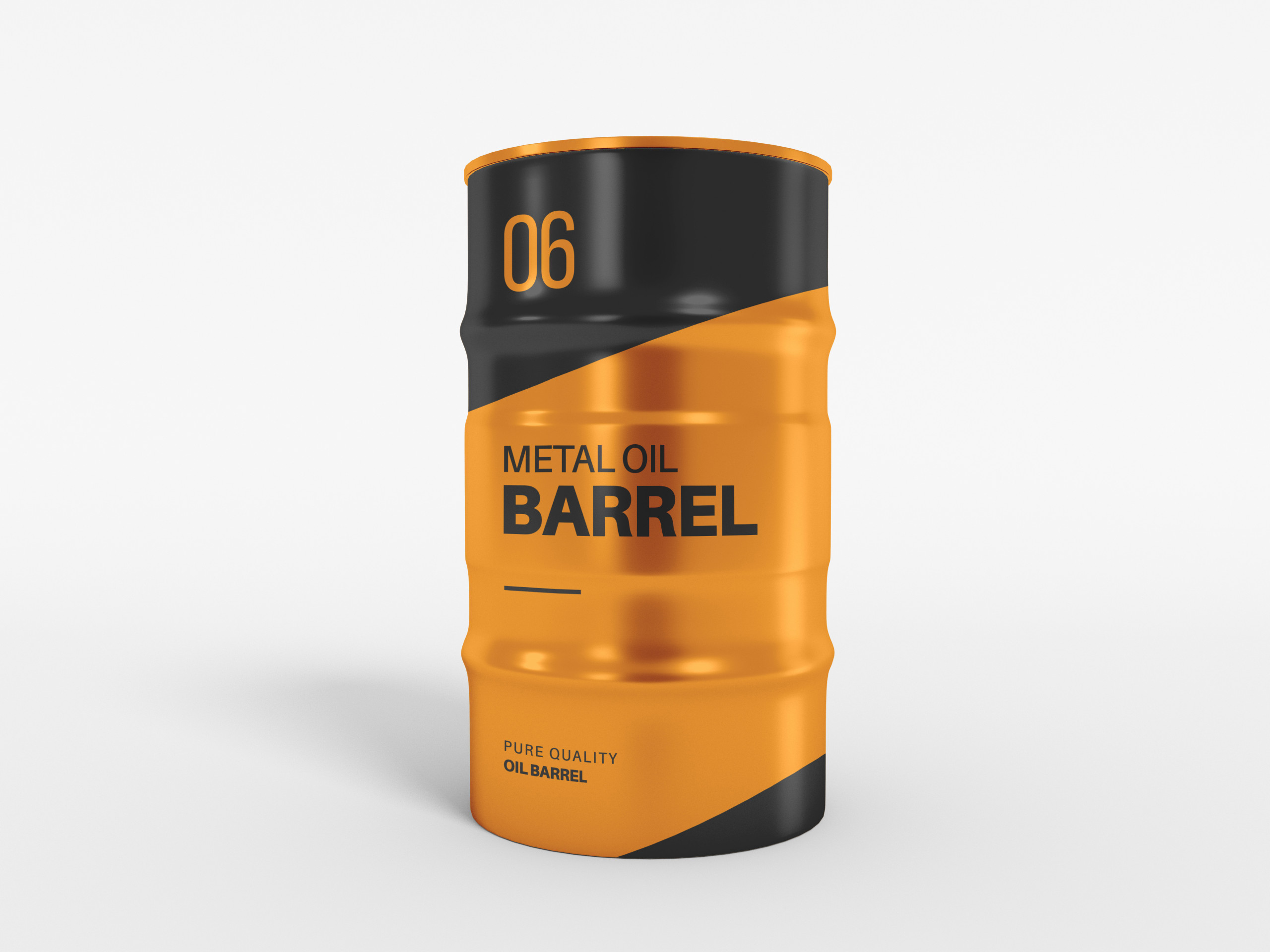
Most HazCom labels are applied to drums, so let’s start here. Drums are used to store chemicals, powders, and other hazardous materials, although they can store nonhazardous materials, too. Drums can be metal or plastic. Whether a substance is hazardous or not, drum labels have two primary requirements.
- They must adhere firmly to the drum, regardless of the chemical composition of the surface. There are hundreds of different label stocks, and you need to find the right match between the adhesive and the substrate.
- They must prevent the migration of the contents of the drum that could compromise the adhesion, causing the label to fall off. When the labels fall off customer drums, either it is entirely the wrong type of label (for example, office labels will disintegrate under conditions with heavy moisture) or there is an incorrect match between the adhesive and the substrate that allows migration to occur.
Drum labels are the broadest category of these types of labels. Since drums can contain both hazardous and nonhazardous materials, HazCom labels are a sub-set of drum labels.
Safety and Health Administration (OSHA)
Before something can require a HazCom label, it has to be determined to be hazardous. Who makes this determination? The Occupational Safety and Health Administration (OSHA). It is OSHA that determines what is considered “hazardous” and what isn’t. Within the category of hazardous substances, there are four subcategories:
- Flammable
- Poisonous
- Explosive
- Corrosive
Products that fall into these categories need to be labeled during storage and transport and require HazCom labels.
The Global Harmonized System (GHS)
HazCom labels must follow a common labeling system. Just as a skull and crossbones is an international symbol of poison and globally recognized regardless of language or nation, GHS is a labeling system developed to standardize the terms, symbols, and pictograms of HazCom labels around the world. GHS defines what information HazCom labels need to contain, including the symbols and pictograms they use.
Maritime Labels
Maritime labels are a subset of drum labels specifically used specifically in maritime environments. Label standards are based on the International Maritime Organization’s (IMO) Hazardous and Noxious Substances (HNS) Labeling Convention, which sets out guidelines for labeling dangerous goods transported by sea. Like all drum labels, maritime labels use standardized symbols and pictograms to convey information about the hazards of a product or material inside the drum.
Standards for maritime labels are based on the British Standard 5609:2004 (below).
British Standard 5609:2004
BS 5609 is an internationally recognized standard that sets out guidelines for labeling drums containing hazardous materials. BS 5609 and “maritime” labels are essentially synonymous. BS 5609 requires maritime labels to remain intact and legible even when submerged under sea water for three months.
Rigorous 3-Month Testing
In order to meet the BS 5609 standard, labels must be rigorously tested. This testing includes both underwater submersion and abrasion testing over a three-month period to ensure that the labels do not weaken or lose adhesion. Testing also ensures that the print (including color fastness of colored inks, if used) remains legible, even submerged in sea water for three months, and regardless of under-sea conditions.
Label stock must pass certification first, and once the label stock has passed, must pass for each combination of printing components used. Certification covers all elements of the printing system, including the inks, ribbons (each color is tested individually), and varnishes.
Testing to determine the correct combinations can be time-consuming and costly. Fortunately for you, Wise has spent decades doing research on the thousands of potential combinations, so your clients don’t have to.
Ready to Get Started?
Understanding these terms will put you on solid footing to begin discussions with your clients about their HazCom label needs. Remember, you don’t need to be the expert. As the distributor, you build the relationships and ask the questions. We’ll handle the rest.
Ready to take the next step? Contact us!
Check out the rest of our blogs.
Newsletter Opt-In
Every two weeks, we will provide you with what we hope is valuable content that will help you run your business and make more profit. In our newsletter, you will receive product updates, educational blog alerts, and company news. You can unsubscribe at any time.