
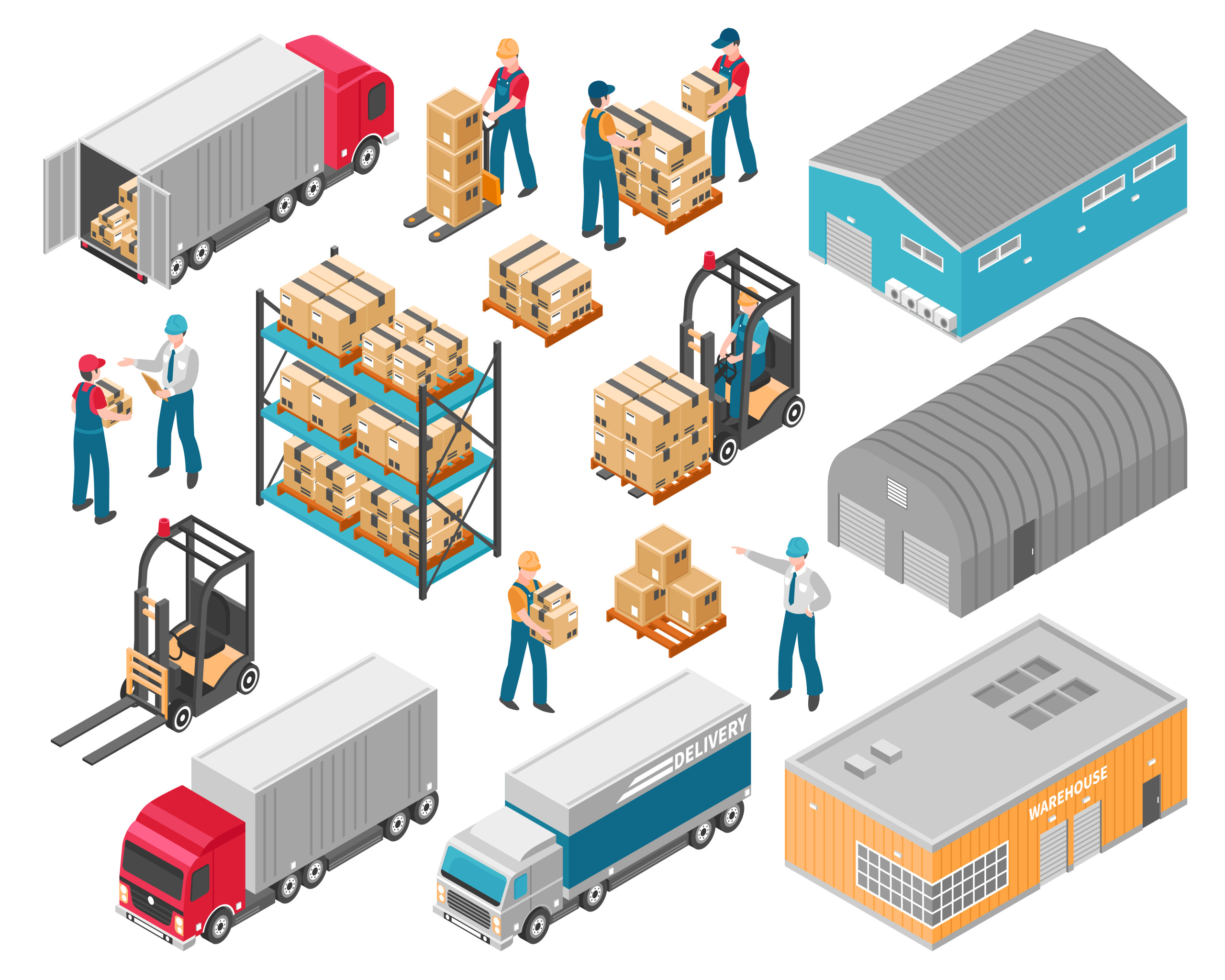
Do you hear the drum beat of people telling you that forms are dead? Don’t listen! Despite growth in electronic forms, printed forms continue to be strong sellers, and that includes in the manufacturing and distribution space. Even if manufacturers are using digital forms, many companies still need printed versions, as well. That means recurring revenue for you.
How do we define companies in manufacturing and distribution?
Manufacturing is the process of transforming raw materials, components, or parts into finished goods. This process involves multiple stages, including design, engineering, prototyping, production, quality control, packaging, and shipping, allowing distributors to cast a wide net when it comes to sales.
Distribution companies purchase finished goods from manufacturers and distribute them to retailers, wholesalers, or directly to end customers. Like manufacturers, distributors offer a wide range of opportunity for sales since they may also offer warehousing, transportation, and logistics services to facilitate the movement of goods to their final destinations.
In these markets, products (or components of products) regularly move from one set of hands to another. Any time this occurs, employees need a form.
Why Printed Forms?
Why do printed forms, as opposed to digital forms, remain essential to companies in the manufacturing and distribution space?
- Legacy systems: Many companies have been using printed forms for a long time, and it may be difficult or costly to switch to digital alternatives. This is even more challenging for companies (especially small companies) that need cross-platform support for online, offline, and mobile.
- Reliability: Printed forms are generally considered more reliable than digital forms. (Printed forms can’t be accidentally deleted or lost due to a computer malfunction, for example.) This is particularly important for forms considered to be critical, such as invoices or purchase orders.
- Mobility: Another factor making companies in this market more likely to use printed forms is when they have multiple locations or high numbers of mobile users. For such companies, enabling digital-only access to essential forms can be cost-prohibitive (for example, providing an iPad for every delivery driver). Drivers may also make pick-ups or drop-offs where Internet connection is not guaranteed.
- Accessibility: Printed forms are more accessible to employees who may not have access to a computer or who may not be comfortable using digital technology. This is especially true for employees in warehouse or distribution facilities swho may not be near a computer all the time.
- Familiarity: Some employees may be more comfortable using printed forms than digital alternatives. This is not always the case, but for certain employees, there is a preference for traditional processes.
What Applications to Sell
Manufacturing and distribution companies use a variety of forms to manage their operations. Some common types of forms used in these industries include:
- Purchase orders: Used to request goods or services from a supplier. They typically include information such as the item or service being requested, quantity, delivery date, and payment terms.
- Production orders: Used to initiate production of a product. They typically include information such as the product name, quantity, production date, and production instructions.
- Bills of lading: A legal document that serves as evidence of a contract between a shipper and a carrier for the transportation of goods by sea, air, or land. It contains details about the type, quantity, and destination of the goods being transported, as well as information about the shipper, the carrier, and the consignee.
- Bill of materials (BOM) forms: Used to list all the components needed to produce a product, including raw materials, sub-assemblies, and finished products.
- Quality control forms: Used to document quality control processes and procedures. They may include information such as inspection results, test data, and corrective actions taken.
- Packing slips: Used to document the contents of a shipment. They typically include information such as the item name, quantity, and any special handling instructions.
- Receiving report forms: Used to document the receipt of goods or materials. They typically include information such as the item name, quantity received, and any damage or discrepancies.
- Inventory control forms: Used to track inventory levels and movement. They may include information such as the item name, location, quantity, and reorder points.
Top Target Audiences
The manufacturing and distribution category is vast, and any company that manufactures goods, whether consumer or business, is a potential account. Target audiences include, but are not limited to:
- Consumer packaged goods (CPG) manufacturers
- Business products manufacturers
- Food manufacturers
- Automotive manufacturers
- Apparel manufacturers
- Electronics manufacturers
- Equipment manufacturers
- Textile mills
- Direct distributors
- Wholesalers
- E-commerce retailers
Whom to Sell To
Decision-makers for these accounts can be found in many different locations, from the main office to the warehouse. Look for the following titles:
- General Managers
- Owners
- Office Managers
- Procurement Managers
- Operations Managers
- Inventory Control Specialists
- Quality Control Managers
- Shipping and Receiving Managers
- Warehouse Managers
- Transportation Managers
- Service Department Managers
- Accounts Payable Managers
Why Use Wise?
Why use Wise for selling printed forms into these accounts? The answer is quality control, inventory management, and production flexibility.
We take pride in our quality control processes, so our printing processes are second to none. We have decades of experience, so we can offer creative solutions to the most challenging projects. Our WiseLink online ordering and inventory management system helps your customers save time and money. Customers increase their profitability, and so do you.
The manufacturing and distribution markets provide outstanding opportunities for distributors to sell repeatable, high-margin work. Contact one of our five manufacturing locations to find out how!
Newsletter Opt-In
Every two weeks, we will provide you with what we hope is valuable content that will help you run your business and make more profit. In our newsletter, you will receive product updates, educational blog alerts, and company news. You can unsubscribe at any time.